
Principles, First
Why we’re building a movement that puts character, country, and conviction above party lines.

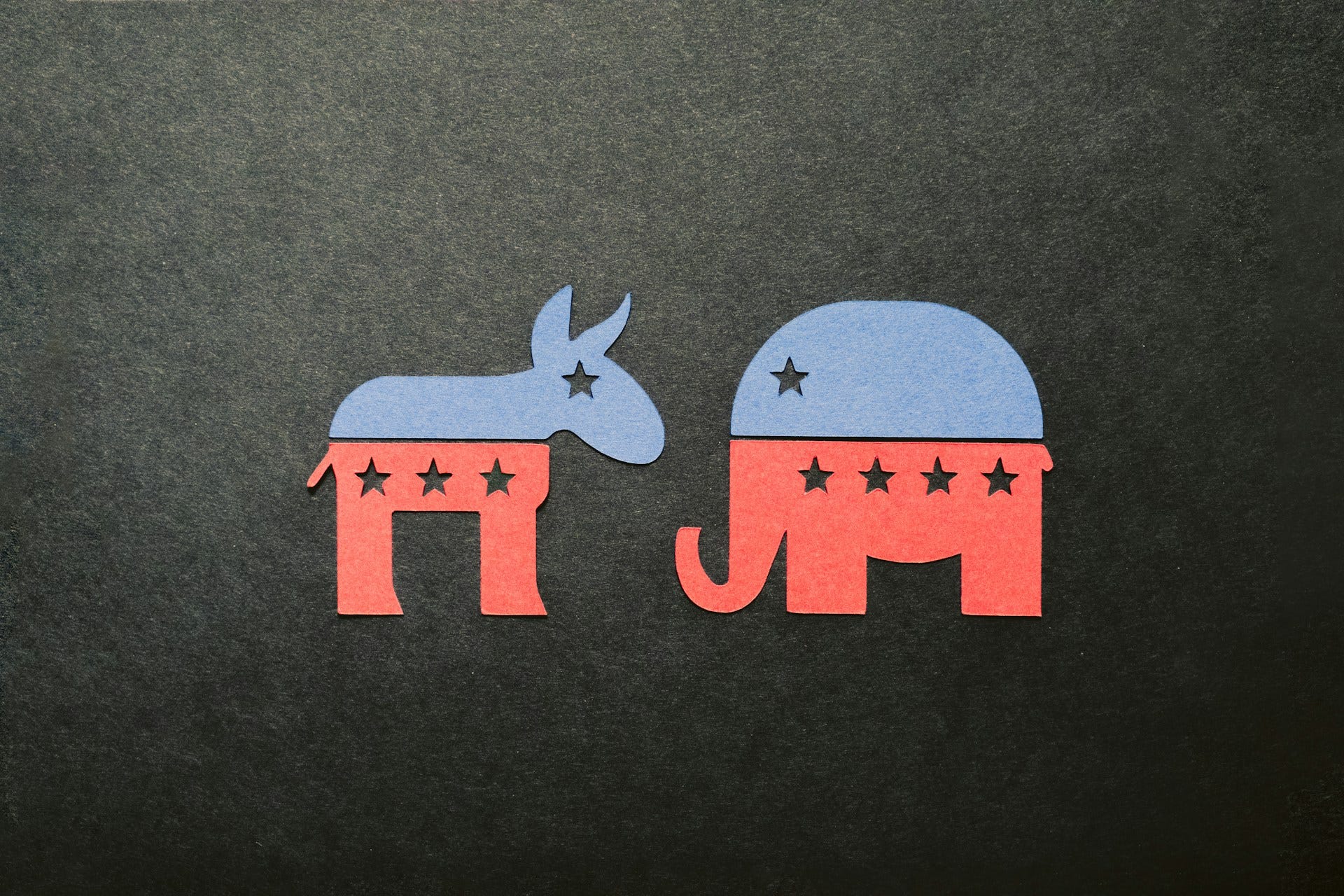
American politics has become very good at telling us what we should be against.
Against the other party. Against the other candidate. Against the people who live somewhere else, watch a different network, or vote differently than we do. Too often, our politics asks us to choose a team first and decide what we believe second.
Principles First was built on a different idea: that what we believe should determine whom we support, not the other way around.
It sounds simple. Increasingly, it isn’t.
For years, Americans have watched political leaders excuse behavior they once condemned, abandon convictions they once claimed were nonnegotiable, and apply entirely different standards depending on whose name appears before the (R) or (D).
We have been told that every election is too important to demand better. That character is secondary to winning. That constitutional constraints are obstacles when they stand in our way and sacred when they constrain the other side. That accountability is something we demand of our opponents but ignore in our friends.
The result is party loyalty at all costs.
We don’t accept that.
Principles First began with conservatives who believed the Republican Party could — and should — be guided by principles rather than personalities. But something interesting happened along the way.
The community got bigger.
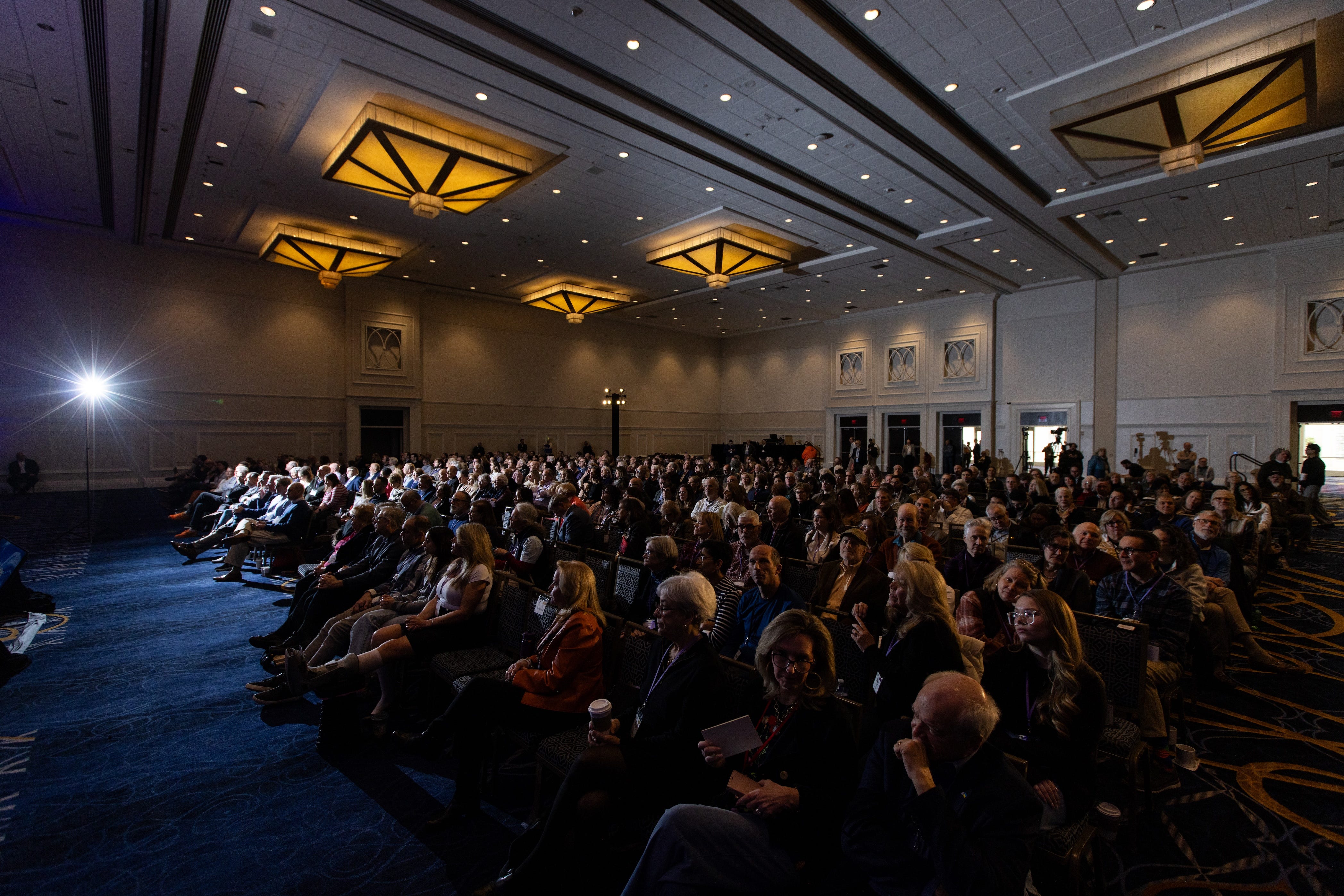
Today, you’ll find Republicans, independents, and Democrats at our events. We’re often asked what all of these people have in common.
My answer is pretty simple: common sense.
We believe the Constitution matters. We believe in the rule of law, free and fair elections, limited government, and free markets. We believe truth and character still matter in public life. We believe political violence has no place in our democracy. And we believe no individual, party, or movement is entitled to our loyalty at the expense of those values.
That doesn’t require us to stop being partisan. It doesn’t require us to agree on everything.
What it does require us to have, however, is a backbone — particularly when standing by what we believe is inconvenient, unpopular, or comes at a cost.
Perhaps more importantly, it requires us to hold ourselves and our own side to the same standards we expect from everyone else.
That is the movement we’re working to build.
What started as a few people around the country gathering together at Chili’s has grown to more than 1,200 people at our largest Summit on record. Today, we have 29 state chapters across the country, with thousands more joining us through virtual and in-person events nationwide. Our network includes elected officials, journalists, thought leaders, and civically engaged Americans working to register voters, become poll workers, serve their communities, and participate in the democratic process.
And we’re still figuring some things out. That’s part of building something.
That’s also why we’re starting this newsletter.
This won’t simply be another place to read the news you already saw that morning. We want it to be a place to think seriously about the choices facing our country, and about what it actually means to stand by your values when doing so comes with a cost.
You’ll hear from members of our team, leaders in our community, and people we think have something worth saying. We’ll talk about what’s happening in Washington, but we’ll also look beyond Washington at the people and ideas shaping the future of American democracy.
A healthy political culture doesn’t require unanimity. In fact, dissent is healthy; it’s what our founders intended. It requires people capable of thinking for themselves, changing their minds when the facts demand it, and recognizing that winning an argument — or an election — isn’t the highest purpose of citizenship. Citizenship is about fostering community, showing up, participating, and contributing to something bigger than ourselves.
There will always be pressure to compromise those things. There will always be another election that we’re told is too important. Another politician we’re told we have to excuse. Another moment when standing by our values becomes inconvenient.
Those are precisely the moments when integrity matters the most.
Politics will change. Parties will win and lose. Candidates will come and go.
But the values that sustain a free society have to outlast all of them.
We’re here to make sure they do.
This is a great idea!